Slow, Gurgling and Smelly Drains and Recurring Clogs in Reading, PA
Most drain problems send a warning before they stop completely. A sink that drains a little slower, a gurgle after a flush, an odor that comes and goes: these are clues about what is happening in the pipes. This page explains what each symptom usually means and what to do next.
If you would rather have someone look at it, call Drain Masters at (610) 672-7601 to be connected with an independent local provider in Reading, PA.
Why is my sink draining slowly?
Slow-draining sinks are usually caused by a partial blockage that is gradually growing. In a bathroom, it is hair and soap. In a kitchen, it is grease and food. If only one sink is slow, the clog is probably in that fixture's trap or branch line. If every drain in the house is slow, suspect the main line or buildup throughout the pipes.
A slow drain is a good time to act. Clearing a partial clog is easier than clearing a full one, and it can prevent an overflow.
Why is my drain gurgling?
A gurgling drain is air moving through water in the pipe. It often means a blockage is partly restricting flow or that the vent system is not letting air in. Gurgling when a toilet flushes or the washer drains, especially with slow drains nearby, points to a clog farther down the line. Gurgling that comes with sewage smells or water in a floor drain suggests the main line.
Why do my drains smell?
Smells come from several places. Food and grease decaying in a kitchen trap smell sour. A dry trap in a rarely used sink or basement floor drain lets sewer gas rise. Biofilm inside a drain gives off a musty odor. A persistent sewage smell can mean a damaged or blocked line. Running water into an unused drain, cleaning the trap, and clearing buildup often solve the simple cases.
Why do my drain clogs keep coming back?
Recurring drain clogs usually mean the cause was never removed. A snake that punches a hole leaves grease, scale or roots on the pipe wall. A line with a belly or a cracked joint will collect debris again. Repeated clogs in one place deserve a camera inspection, and hydro jetting or descaling may be recommended depending on what the camera shows.
What to do next
- Note which fixtures are affected and when the symptom began.
- Avoid chemical products if you plan to have the drain cleared.
- Stop using the affected drain if water is backing up.
- Call early. If sewage is backing up, call right away.
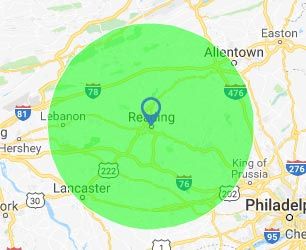
Where Drain Masters connects callers in and around Reading, PA
Homeowners and renters across Reading and the surrounding towns call about these four symptoms more than any others.
Drain Masters takes calls from homeowners, landlords and businesses in Reading, PA (ZIP codes 19601 through 19612) and nearby Berks County communities including Wyomissing, Shillington, Muhlenberg Township, Laureldale, Exeter Township, Mount Penn, Sinking Spring, West Lawn, Kenhorst and Temple. If your address is close to Reading but not on this list, call and ask whether a local provider can reach you.
Frequently asked questions
Why does my drain gurgle?
Air is being pulled through water because of a partial clog or a venting problem. It is often an early sign of a blockage.
Why does my drain smell like sewage?
A dry trap, a blocked line or a damaged pipe can let sewer gas into the building. Pouring water into unused drains helps rule out a dry trap.
Why do my clogs keep returning?
Buildup, roots or a damaged section of pipe remain after each fix. A camera inspection shows what is left behind.
How do I tell if the problem is one drain or the main line?
One slow fixture suggests a branch clog. Several fixtures at once, or the basement or floor-level drain backing up, suggests the main line.
Is a slow drain an emergency?
A slow drain is not usually urgent, but it is a warning. Sewage backing up or water overflowing is an emergency.