Outdoor and Patio Drain Cleaning in Reading, PA
Outdoor drains handle rain, snowmelt and runoff. When they clog with leaves, silt or roots, water pools on patios, flows toward the foundation or backs up in window wells. Outdoor drain cleaning clears the inlet and the pipe behind it so water can leave the property again.
Call Drain Masters at (610) 672-7601 for outdoor drain cleaning and patio drain cleaning in Reading, PA.
Outdoor drain cleaning
Yard drains, area drains, catch basins and downspout connections all collect organic debris. Leaves and grass clippings wash into the grate, silt settles in the pipe, and roots search for the moisture. A partly blocked outdoor drain may drain slowly after rain, then overflow in a heavy storm.
Cleaning involves removing the grate, scooping out debris, and flushing or cabling the line toward its outlet. Hydro jetting is useful where silt and fine roots have built up.
Patio drain cleaning
A patio or courtyard drain is a small opening with a lot of work to do. Pooling water on the surface, algae growth or ice in winter show that it is not keeping up. Clearing the drain and checking the slope of the line behind it helps prevent standing water that can damage paving and cause slippery spots.
Signs an outdoor drain needs attention
- Water standing around the grate for hours after rain
- Water flowing toward the house instead of away from it
- Mud or sand coming up through the drain
- A gurgling sound from a downspout connection
- Visible roots near the drain or pipe line
Prevention between visits
Keep grates clear of leaves, especially in autumn. Direct downspouts away from the foundation. If the same drain clogs every season, a camera inspection can show whether the pipe is cracked, sagging or invaded by roots.
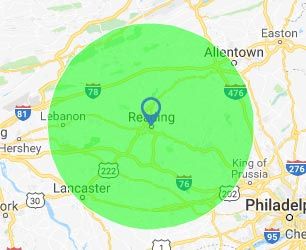
Where Drain Masters connects callers in and around Reading, PA
Reading and the surrounding area see heavy autumn leaf fall and sudden summer storms, both of which test outdoor drains.
Drain Masters takes calls from homeowners, landlords and businesses in Reading, PA (ZIP codes 19601 through 19612) and nearby Berks County communities including Wyomissing, Shillington, Muhlenberg Township, Laureldale, Exeter Township, Mount Penn, Sinking Spring, West Lawn, Kenhorst and Temple. If your address is close to Reading but not on this list, call and ask whether a local provider can reach you.
Frequently asked questions
Why does my patio drain not drain?
Leaves, silt and debris block the grate or the pipe. A bent or sagging pipe can also hold water.
Can tree roots clog an outdoor drain?
Yes. Roots seek moisture and can grow into joints in buried drain pipes.
How do you clean a yard drain?
The grate is removed, debris is cleared, and the line is flushed or cabled toward the outlet.
Does a clogged outdoor drain affect the basement?
It can. Water that cannot leave the yard may flow toward the foundation or into window wells.
When should I call about an outdoor drain?
Call when water stands after rain, when it flows toward the building, or before a storm if you know the drain is slow.