Hydro Jetting in Reading, PA
Hydro jetting uses a high-pressure stream of water, delivered through a hose and a specially shaped nozzle, to scour the inside of a drain or sewer line. Where a cable only pokes a hole through a clog, a jetting nozzle cleans the full circumference of the pipe wall. That makes it the usual choice for grease, sludge, soap scum, scale and fine root growth that keep coming back.
If you have a line that backs up again a few weeks after it was cleared, call Drain Masters at (610) 672-7601 and ask for hydro jetting in Reading, PA. You will be connected with an independent local provider who can assess the line and tell you whether jetting fits the problem.
What is hydro jetting and how does it clean a drain?
A jetting machine pumps water through a flexible hose. At the tip, a nozzle sends jets forward to break up a blockage and jets backward to pull the hose down the line while flushing debris toward the cleanout or the main sewer. Nozzle styles differ: a penetrating nozzle opens a blocked line, a rotating or fan nozzle scours the walls, and a descaling nozzle works on hardened deposits.
Because the water contacts the whole inner surface of the pipe, jetting removes the film of grease and sediment that lets new clogs form. That is why it is often recommended for recurring drain clogs and for kitchen drain lines that carry a lot of fats and oils.
When is hydro jetting the right choice?
- Grease-clogged kitchen and restaurant drain lines
- Recurring clogs in the same drain or branch line
- Heavy soap, hair and sludge buildup in bathroom lines
- Mineral scale and rust that narrow older pipes
- Fine tree root growth in a main sewer line
- Slow drains throughout the house, not just one fixture
If one sink is slow and nothing else is, a drain snake is often enough. If several fixtures are slow, or a clog keeps returning, jetting is worth discussing.
Hydro jetting or drain snaking: which one do you need?
Snaking is quick and works well for a single, localized blockage such as a hairball in a tub drain or a wad of paper in a branch line. Jetting is better when the pipe itself is coated with buildup, when the blockage is grease, or when you want the line cleaned along its entire length. Many calls start with a snake to restore flow and move to jetting when the camera shows heavy buildup behind the clog.
You can read more about the cable method on our drain snaking page, and about seeing inside the line on our pipe inspection page.
What happens during a hydro jetting visit?
- The provider asks about symptoms: which drains are slow, whether there is gurgling or odor, and how long it has been happening.
- A video inspection is often done first so the pipe material, joints and any damage are known before pressure is applied.
- The hose is fed in through a cleanout, a removed fixture trap or an access point near the main line.
- The line is jetted in passes, working from the blockage outward and then back to flush debris.
- A follow-up camera pass can confirm that the pipe wall is clean and flow is restored.
Ask the provider who takes your call how the job will be scoped and what the charges include before work starts, since each independent provider sets its own terms.
Hydro jetting for homes, rental properties and businesses
In homes, jetting is used on kitchen drain lines, shower and tub branches, laundry lines and main sewer lines. In multi-unit buildings it can clear shared stacks and main lines that affect several tenants. In restaurants, cafeterias and shops it is a common way to keep grease-heavy lines running. Our commercial drain cleaning page covers business needs in more detail, and our main drain cleaning page covers sewer line blockages.
When hydro jetting is not the answer
Jetting cleans a pipe; it does not repair one. A cracked, collapsed or badly offset line may need a different fix, and high pressure in a fragile pipe is a poor idea. That is why a camera inspection comes first when a line is old, when there are signs of a break, or when the blockage will not clear. If the camera shows damage, the provider can explain the options.
Where Drain Masters connects callers in and around Reading, PA
Hydro jetting is requested across Reading and its surrounding boroughs, where older homes and rowhomes often have long, aging branch lines and a mix of cast iron, clay and plastic pipe.
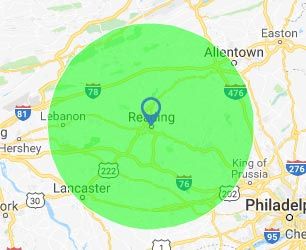
Drain Masters takes calls from homeowners, landlords and businesses in Reading, PA (ZIP codes 19601 through 19612) and nearby Berks County communities including Wyomissing, Shillington, Muhlenberg Township, Laureldale, Exeter Township, Mount Penn, Sinking Spring, West Lawn, Kenhorst and Temple. If your address is close to Reading but not on this list, call and ask whether a local provider can reach you.
Frequently asked questions
What is hydro jetting?
Hydro jetting is a drain cleaning method that uses high-pressure water from a hose and nozzle to remove grease, sludge, scale and roots from the inside of a pipe.
Is hydro jetting safe for older pipes?
It depends on the condition of the pipe. A camera inspection first shows cracks, offsets and thin spots. Fragile or broken lines may not be suitable for high pressure, and the provider can recommend another approach.
Is hydro jetting better than snaking?
Neither is better in every case. Snaking suits a single local blockage. Hydro jetting suits grease, buildup and recurring clogs because it cleans the whole pipe wall.
Can hydro jetting remove tree roots?
It can clear fine roots and root fibers from many sewer lines. Thick roots or roots that have broken a pipe usually call for an inspection and a different plan.
How often should a drain be hydro jetted?
There is no single schedule. Kitchen lines in busy homes and restaurants may need regular attention, while many household lines never need it. Recurring clogs are a strong sign that it is time.
What determines the bill for a hydro jetting job?
The length and size of the line, access to a cleanout, how heavy the buildup is, and whether a camera inspection is included. Because Drain Masters is a referral service, ask the independent provider to explain the terms before work begins.